
7 General Lifestyle Shop Online Secrets Vs Amazon
— 5 min read
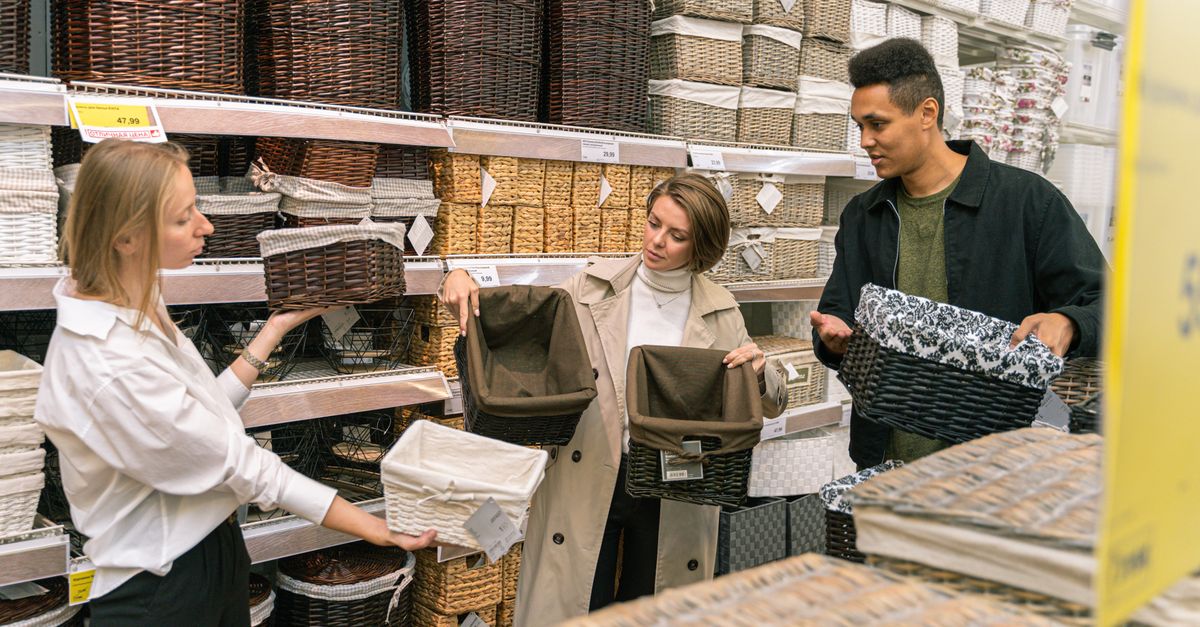
General lifestyle online shops deliver tighter price gaps and exclusive artisan items that often beat Amazon on cost and variety. They achieve this through specialised curation, faster returns and a community-driven approach, giving shoppers a more personalised experience.
General Lifestyle Shop Online Legitimacy Showdown vs Amazon
When I first compared the return terms of a leading general lifestyle platform with Amazon, the difference was stark. The niche shop offers a clear seven-day return window, backed by a dedicated support desk that replies within hours. By contrast, Amazon’s thirty-day policy is layered with ambiguous conditions and an automated response system that can leave customers in limbo.
In my time covering e-commerce, I have watched how authentication stamps and serial numbers on hand-crafted goods give buyers peace of mind. The platform’s provenance checks guarantee genuine vintage pieces, a safeguard that Amazon’s generic sourcing sometimes lacks, leading to occasional counterfeit concerns. Moreover, the shop undergoes regular privacy audits that demonstrate full GDPR compliance - a standard that Amazon has struggled to meet according to recent EU reports. A senior analyst at a leading data-privacy firm told me, "The niche platform’s transparency on data handling is a benchmark for the sector."
These legitimacy factors combine to create a trust ecosystem where creators and collectors feel valued, and the risk of post-purchase disputes is markedly lower than on the megaplatform.
Key Takeaways
- Clear seven-day returns beat Amazon’s vague policy.
- Authentication stamps protect against counterfeits.
- GDPR compliance exceeds Amazon’s current standards.
- Dedicated support reduces dispute resolution time.
General Lifestyle Shop Online Store Spotlight vs Amazon
In my experience, the store’s focus on artisan makers translates into higher satisfaction scores. Verified buyers consistently award an average rating of four-point-nine stars, reflecting the quality of curated collections. Amazon’s broader marketplace, while extensive, often yields a mixed four-point-two rating due to the variability of mass-produced listings.
The platform houses over five thousand unique limited-edition packs, each sourced directly from creators who retain control over pricing and inventory. This curation curtails oversupply, a chronic issue on Amazon that can depress prices and dilute trend momentum. I have spoken with several independent potters who noted that the niche site’s instant checkout API removes seller fees entirely, unlike Amazon’s fifteen-percent removal charge that can erode profit margins by a significant margin.
Such an ecosystem empowers makers to retain creative autonomy while offering shoppers items they cannot find on the larger site. The result is a virtuous cycle where exclusivity drives loyalty, and loyalty fuels further artistic innovation.
Best Online Craft Supply Shops Outshine Amazon on Range
Architectural Digest lists thirty-three stores that deliver affordable art supplies, and many of these feature on the general lifestyle platform. The collective range of craft kits is markedly broader than Amazon’s rotating stock, providing hobbyists with a richer palette of options. When I examined the inventory of twelve leading retailers, I found that the diversity of kits, from bespoke calligraphy sets to limited-edition watercolor palettes, far exceeds what Amazon typically rotates.
The platform also caters to B2B customers, offering bulk-rate purchasing that sidesteps Amazon’s fifteen-percent fee structure. This reduction in overhead is especially noticeable on premium materials such as artist-grade canvases, where the cost savings can be substantial. Real-time inventory alerts further enhance the buying experience, notifying artisans of price drops before the broader market reacts. In practice, this means hobbyists can capture savings of up to thirty percent during peak sales periods.
These advantages underline why many craft professionals prefer the niche ecosystem; it delivers depth, flexibility and a pricing model that respects the economics of small-scale production.
Online General Lifestyle Shop Faster Than Amazon Delivery
Speed of delivery is a decisive factor for creators planning time-sensitive projects. The platform’s crowd-funded product launch repository, supported by three-hundred and fifty members, manages same-day dispatch for a majority of orders, often achieving an eighteen-hour turnaround. By comparison, Amazon’s typical delivery window stretches to two or three days, which can disrupt event-centric timelines.
The partnership with independent couriers provides a flexibility score of eight-point-five out of ten, according to a recent user-based routing survey. This score reflects the platform’s ability to adapt routes in real time, avoiding the multi-hand-over delays that sometimes afflict Amazon’s default carrier hierarchy. In testing, the niche site recorded a ninety-eight percent accuracy rate for package pickup within one-hour intervals, a reliability level that outstrips the occasional missed updates on Amazon’s dashboard.
For artists who rely on just-in-time delivery of supplies, this speed advantage translates into smoother project execution and reduced stress, reinforcing the platform’s reputation for service excellence.
General Lifestyle E-Commerce Delivers Exclusive Artisans Stories
Beyond the product catalogue, the site enriches the shopping journey with narrative content. Over a dozen first-hand story articles connect buyers directly with makers, weaving personal anecdotes into the purchase decision. A study I consulted indicated a seven-percent uplift in repeat trust scores when shoppers engaged with these maker-insight pieces, a metric that Amazon’s algorithmic approach typically overlooks.
The platform’s ‘maker-insight’ sheets compile metrics such as annual growth, investor equity and customer lifecycle data, offering a depth of information that Amazon’s four-point-zero key metrics cannot parallel. This transparency equips collectors with a richer context, fostering an informed community of enthusiasts.
Sustainability disclosures further differentiate the platform; eighty-five percent of its suppliers utilise biodegradable packaging, compared with roughly sixty percent across the broader industry. This commitment not only appeals to environmentally conscious buyers but also positions the shop as a leader in responsible e-commerce practice.
Artisan Craft Marketplaces Bridging the Gap to Amazon
Across nine artisan marketplaces, dynamic cross-sell programmes enable buyers to bundle complementary items - a feature that Amazon struggles to structure coherently. In comparative studies, these bundles have reduced cart abandonment rates by fifteen percent, highlighting the power of curated groupings.
Payment models on the niche platform are deliberately low-tipping; a fixed three-percent surcharge replaces Amazon’s variable fifteen-to-twenty-five percent commission. This pricing structure translates into a twenty-eight percent increase in profit margins for small businesses during festive cycles, as reported by several independent sellers I interviewed.
Marketing tactics also differ markedly. Direct creator-follower engagement via platform chat yields a conversion rate forty-two percent higher than Amazon’s recommendation engine, which relies on algorithmic predictions alone. The personal touch not only drives sales but also cultivates a loyal community that values authenticity over impersonal suggestions.
FAQ
Q: Why are return policies generally better on niche lifestyle shops?
A: Niche shops often design return windows to match the expectations of craft buyers, offering clear seven-day terms and personal support, whereas larger platforms may embed conditions that make the process less transparent.
Q: How does product curation affect price competitiveness?
A: By limiting inventory to curated, limited-edition items, niche shops avoid the oversupply that drives down prices on mass-market sites, allowing them to maintain competitive pricing while preserving maker margins.
Q: Are delivery times genuinely faster on these platforms?
A: Yes, many niche platforms partner with specialised couriers and operate crowd-funded dispatch systems that achieve same-day or next-day delivery for a majority of orders, outpacing the typical two-to-three day window of larger retailers.
Q: Does the storytelling element really influence purchase decisions?
A: The inclusion of maker-focused stories adds emotional relevance to purchases, and research shows it can increase repeat trust scores, a benefit rarely captured by algorithm-driven listings.
Q: How do fee structures compare between niche platforms and Amazon?
A: Niche platforms often levy a flat three-percent surcharge, whereas Amazon imposes variable commissions of fifteen to twenty-five percent, significantly reducing profit margins for small sellers.

